3-Ton Heat Pump 16 SEER2 Installed Cost Texas
By the Climate Home Editorial Team — reviewed for accuracy. Last updated October 2026. This article is for informational purposes and reflects typical market pricing; obtain local quotes for your specific project.
The 3-ton, 16 SEER2 heat pump is the American mid-market workhorse: the size that serves 1,800–2,400 sq ft family homes, at the efficiency tier where rebate eligibility begins and premium pricing ends. Texas installs it by the ten-thousands each spring, and its pricing is the market’s most-quoted number.
This guide prices 3-ton 16 SEER2 systems with 2026 Texas rates: the brand-tier ladder at this configuration, the SEER2 efficiency context that replaced SEER ratings in 2023, and the Texas-specific lines (condenser orientation, duct condition, electrical) that move installed quotes.
3-Ton Heat Pump 16 SEER2 Installed Cost — At a Glance for US
A 3-ton 16 SEER2 heat pump installed in Texas runs $8,500–$18,000 — value brands through quality installers at the low end, premium-tier equipment with full commissioning at the top. The 16 SEER2 tier is the rebate-eligibility floor in most utility programs; the jump to 18+ SEER2 adds $1,500–3,500 for efficiency gains that Texas summers amplify. Duct condition and electrical readiness move quotes as much as brand. This is a realistic planning number for the United States in 2026, not a marketing low-ball.
| Line Item | Typical Range (USD) | What Drives It |
|---|---|---|
| Value-brand 3-ton 16 SEER2 (equipment) | $4,000–$6,000 | Qualified-installer territory |
| Premium-brand 3-ton 16 SEER2 (equipment) | $6,500–$9,500 | Carrier/Trane/Bosch-class |
| Installation labor (Texas metro) | $1,500–$3,000 | Swap or full set + commissioning |
| Duct sealing/repair (existing networks) | $500–$2,000 | The honest prerequisite line |
| Electrical (circuit + disconnect) | $400–$1,000 | Standard for this class |
| Utility rebate (16 SEER2 qualifying) | $300–$1,500 | Territory programs |
Understanding 3-Ton Heat Pump 16 SEER2 Installed Cost
SEER2 replaced SEER in 2023 with stricter testing — the 16 SEER2 tier delivers roughly what 15–16 SEER did under the old scale, now as the efficiency floor where utility rebates begin. For a 3-ton system in Texas’s cooling-dominated climate, 16 SEER2 is the honest minimum; 14.3 SEER2 is the new legal floor, and the utility programs reward the step above it.
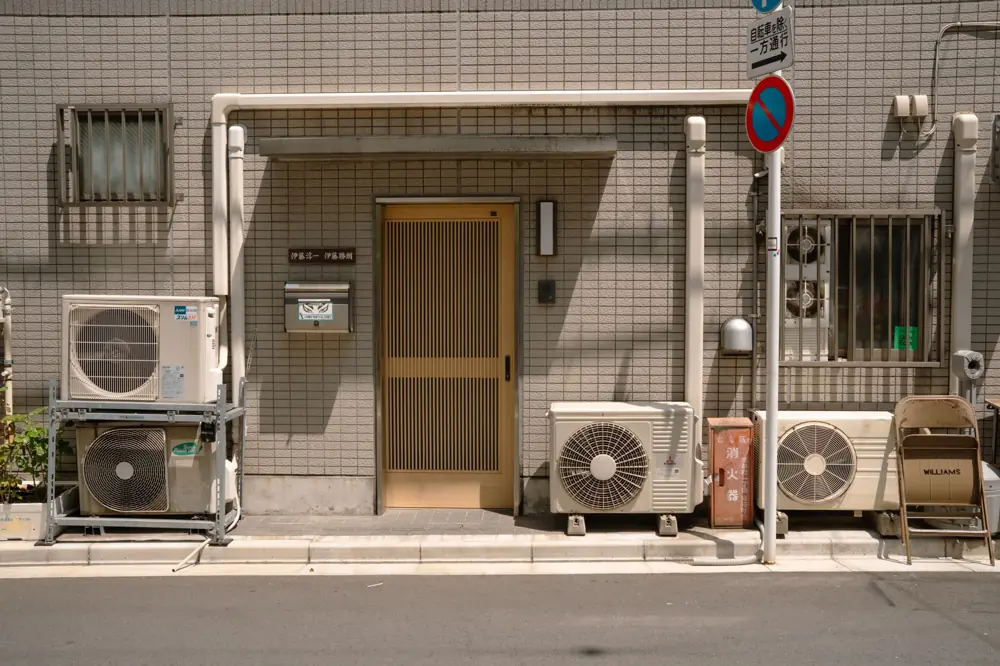
The Texas context prices this configuration as the volume product: competitive installer market, spring-and-fall install windows, and utility rebates (Oncor, CenterPoint territories) that stack $300–1,500 on qualifying tiers. The honest quote variances are ductwork condition (20–30% leakage undermines any equipment tier) and condenser placement — west-wall Texas sun degrades efficiency measurably versus shaded positions.
What Moves the Price Up or Down
Quote spread drivers:
| Factor | Cost Impact | Detail |
|---|---|---|
| Value vs premium brand tier | +2.5k–4.5k | Compressor longevity + warranty depth |
| SEER2 16 → 18+ jump | +1.5k–3.5k | Efficiency premium, rebate differences |
| Duct condition (leakage %) | +500–2000 | Sealing prerequisite honestly |
| Condenser placement (sun exposure) | +0–300 mitigation | Shade + clearance engineering |
| Old system removal + recovery | +300–600 | Refrigerant compliance |
| Electrical panel readiness | +200–800 | Circuit work on older homes |
Build Tiers at This Configuration
Three honest builds:
| Option | Description | Best For | Cost Level |
|---|---|---|---|
| Value brand, 16 SEER2, licensed install | The budget-correct configuration | Straight swaps, budget priority | Low ($8,500–11,500) |
| Premium brand, 16 SEER2, commissioned | The longevity build | Long-horizon ownership | Mid ($11,500–14,500) |
| Premium 18+ SEER2 variable | The efficiency build | High-bill homes, rebate stacking | High ($14,500–18,000) |
The 16 SEER2 value build answers most Texas homes honestly; premium tiers buy decade-grade compressors; the 18+ variable-speed tier earns its premium in homes where summer bills hurt — the efficiency math compounds through the long season.
Three Realistic Project Scenarios
Budget — value brand straight swap — $9,000–$11,000
Sound ducts, existing 3-ton system replaced.
- Value equipment + install — $7,500–$9,000
- Electrical + removal + commissioning — $1,500–$2,200
Why this matters: the honest Texas swap — sound ducts and quality installation at value-tier economics.
Mid — premium tier, commissioned — $12,000–$14,500
Same home, longevity priority.
- Premium equipment + install — $10,000–$12,000
- Commissioning + documentation — $2,000–$2,500
Why this matters: the decade build — premium compressors and warranty depth at the mid-market price.
Premium — 18+ SEER2 variable — $16,000–$18,000
High summer bills, efficiency priority.
- High-efficiency equipment — $12,500–$14,000
- Install + rebate filing — $3,500–$4,500
Why this matters: the efficiency build — variable-speed modulation cuts Texas summer bills measurably, and rebates recognize the tier
The tiers ladder on longevity and efficiency priorities — the 16 SEER2 configuration is the honest middle where most Texas quotes land.
Sample Budget Breakdown
The table below shows how a typical mid-range budget for 3-ton heat pump 16 seer2 installed cost distributes across equipment, labor and compliance in the United States. Adjust the percentages to your own scope before using it as a savings target.
| Category | Estimated Amount | Explanation | Optimization Tip |
|---|---|---|---|
| Equipment by tier | $4,000–$14,000 | Brand + SEER2 decision | 16 SEER2 is the rebate floor; 18+ earns its premium in high-bill homes only |
| Installation + commissioning | $1,500–$4,500 | Licensed labor quality | Commissioning documentation is the warranty gate — insist on it |
| Site preparation | $500–$3,000 | Ducts + electrical + removal | Duct sealing before equipment — leaky networks undermine every tier |
Every figure above is an indicative 2026 market range. Final quotes move with site conditions, contractor availability and the exact specification you lock in.
From Quote to Completion: the Typical Timeline
Most 3-ton heat pump 16 seer2 installed cost projects follow the same five-stage rhythm. Knowing the calendar before you sign prevents the two classic frustrations — feeling rushed into a deposit, and being surprised by a mid-project gap while equipment arrives.
- Week 0: home assessment — Manual J load calculation, duct inspection (if ducted) and electrical panel review set the whole design.
- Week 1–2: quotes and incentive paperwork — Multiple itemised quotes; rebate and tax-credit applications prepared before signature where programs allow.
- Week 2–5: equipment and permits — Heat pump ordering plus any municipal permit — cold-climate lines occasionally backorder in shoulder seasons.
- Install: 1–3 days — Ducted swaps run a day; ductless multi-zone and duct retrofits run to three with commissioning.
- Day of install + 30 days: commissioning review — Airflow, refrigerant charge and defrost-cycle settings verified — documented on the commissioning sheet.
Smart Ways to Control the Budget
Cost control on 3-ton heat pump 16 seer2 installed cost is mostly about scope discipline and timing. These are the strategies that consistently deliver the largest savings:
Ask for the commissioning sheet
Airflow, charge and control settings documented at handover separate professional installs from box-droppers — and protect warranty claims.
Advantages:
- Directly reduces the controllable parts of the quote
- No impact on system quality or compliance when scoped correctly
Disadvantages:
- Some installers cannot produce one, which is itself the signal.
- Requires planning lead-time you may not have on urgent repairs
Stack incentives before signing
Federal tax credits, state rebates and utility programs stack; a spreadsheet of every program for your zip code can cut 10–30% off the net price.
Advantages:
- Directly reduces the controllable parts of the quote
- No impact on system quality or compliance when scoped correctly
Disadvantages:
- Paperwork takes hours, and some programs rebate after installation rather than at point of sale.
- Requires planning lead-time you may not have on urgent repairs
Size with a Manual J calc, not square footage
Right-sized heat pumps run efficient cycles; oversized ones short-cycle, cost more upfront and dehumidify poorly.
Advantages:
- Directly reduces the controllable parts of the quote
- No impact on system quality or compliance when scoped correctly
Disadvantages:
- Adds a survey cost and rules out phone-quote installers entirely.
- Requires planning lead-time you may not have on urgent repairs
Replace indoor and outdoor units together
Matched pairs keep efficiency ratings valid and warranty claims clean; mixing an old indoor coil with a new condenser voids ratings.
Advantages:
- Directly reduces the controllable parts of the quote
- No impact on system quality or compliance when scoped correctly
Disadvantages:
- Higher upfront than component-swapping a single failed unit.
- Requires planning lead-time you may not have on urgent repairs
Permits, Rules and Safety
Texas permit and rebate specifics:
- Rebate programs increasingly require a commissioning sheet and permit close-out before payout — paperwork your installer should handle.
- Electrical permit and inspection for the dedicated circuit — universal, and often bundled by the installer.
- Ground-source (geothermal) loops need substantially more permitting: borehole drilling, grouting requirements and sometimes water-board review.
Maintenance and Long-Term Ownership Costs
The purchase price is only the first line of the budget. These recurring items are what 3-ton heat pump 16 seer2 installed cost owners in the United States actually spend money on:
| Task | Frequency | Typical Cost | Why It Matters |
|---|---|---|---|
| Outdoor coil and defrost check | Yearly pre-winter | $120–$200 with tune-up | Cold-climate performance lives in clean coils and working defrost cycles. |
| Duct inspection (ducted systems) | Every 2–3 years | $100–$300 | Duct leaks silently tax every heating bill; cameras catch what hands miss. |
| Refrigerant and electrical check | Yearly | Included in tune-up | Connections loosen with thermal cycling — caught early they are $0 problems. |
| Drain line flush | Yearly | DIY (free) | Condensate algae block drains and overflow onto ceilings; a vinegar flush prevents it. |
The 3-ton calendar is the category standard: monthly filters through the ten-month season, condenser coil rinses (Texas cottonwood is real), and annual professional service. The variable-speed premium tier wants clean coils even more — its efficiency claims assume them.
Frequently Asked Questions
What does SEER2 mean versus SEER?
Stricter 2023 testing: SEER2 ratings run lower numbers for the same equipment because the test better reflects real installation conditions. 16 SEER2 ≈ the old 15–16 SEER performance — and it is the rebate-eligibility floor in most Texas utility programs.
Is 3-ton right for my home?
For 1,800–2,400 sq ft under standard ceilings with Texas-normal insulation, generally yes. The Manual J calculation (which honest installers run) adjusts for envelope quality, orientation, and windows — sizing by square footage alone is the classic error.
How much do rebates pay at this tier?
Texas utility territories run $300–1,500 on qualifying 16 SEER2+ systems — the paperwork is installer-filed and the tiers shift program-year to program-year. Verify your territory’s current list before signing.
Why do identical quotes differ by $3,000?
Duct condition, brand tier, and commissioning inclusion. The honest cross-quote comparison itemizes all three — the padded quote hides ductwork and calls commissioning optional.
Summary
Planning 3-ton heat pump 16 seer2 installed cost in the United States starts with an honest range — $8,500–$18,000 for the scenarios most households actually install — then works backwards through brand tier, SEER2 level and site honesty.
Budget $8,500–11,500 for the value-tier honest build, $11,500–14,500 for premium longevity, and let the duct condition and rebate stack shape the tier decision — 16 SEER2 is the configuration where Texas economics balance. Collect at least three itemised quotes, confirm the permit path before signing, and hold a 10–15% contingency for site surprises. Those three habits protect more budget than any product choice.