Samsung EHS Mono Heat Pump Cost London UK
By the Climate Home Editorial Team — reviewed for accuracy. Last updated October 2026. This article is for informational purposes and reflects typical market pricing; obtain local quotes for your specific project.
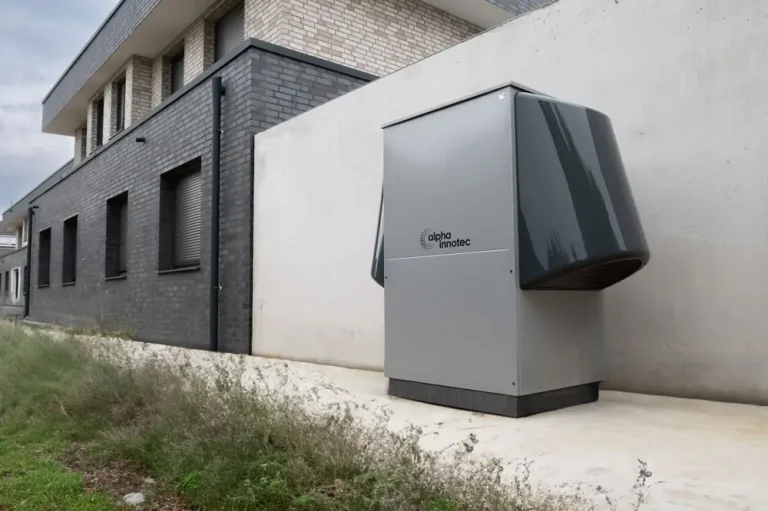
The Samsung EHS Mono is the Korean giant’s answer to European hydronic heating: a monobloc air-to-water heat pump with everything refrigerant-side factory-sealed in the outdoor unit — no F-Gas split work, simpler installs, and pricing that has made it a volume player in the UK grant-driven market.
This guide prices Samsung EHS Mono installations with 2026 UK rates: the monobloc architecture’s install economics, the whole-system pricing with cylinders and controls, and the Boiler Upgrade Scheme that pulls £7,500 off qualifying builds.
Samsung EHS Mono Heat Pump Cost — At a Glance for UK
A Samsung EHS Mono installed in the UK runs £5,750–£11,500 whole-system — outdoor monobloc unit, hot water cylinder, controls and commissioning. The BUS grant removes £7,500 on qualifying installs, landing nets at £1,500–8,500. The monobloc architecture prices installation below split systems (no refrigerant connections on site) — the honest value engineering of the grant era. This is a realistic planning number for the United Kingdom in 2026, not a marketing low-ball.
| Line Item | Typical Range (GBP) | What Drives It |
|---|---|---|
| EHS Mono outdoor unit (5–16 kW class) | £2,900–£5,750 | The monobloc hardware |
| Hot water cylinder (180–280 L, matched) | £720–£1,800 | System tank, Samsung matched |
| Controls and zoning | £290–£720 | The smart-control tier |
| Installation (monobloc economics) | £1,100–£2,150 | Simpler than split refrigerant work |
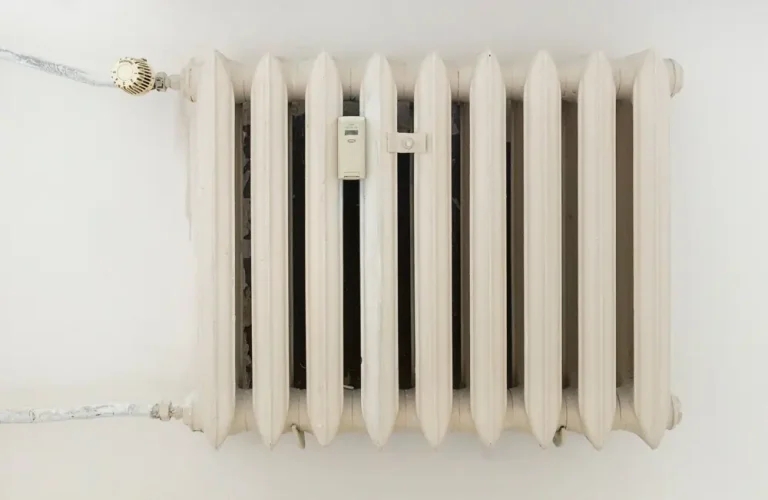
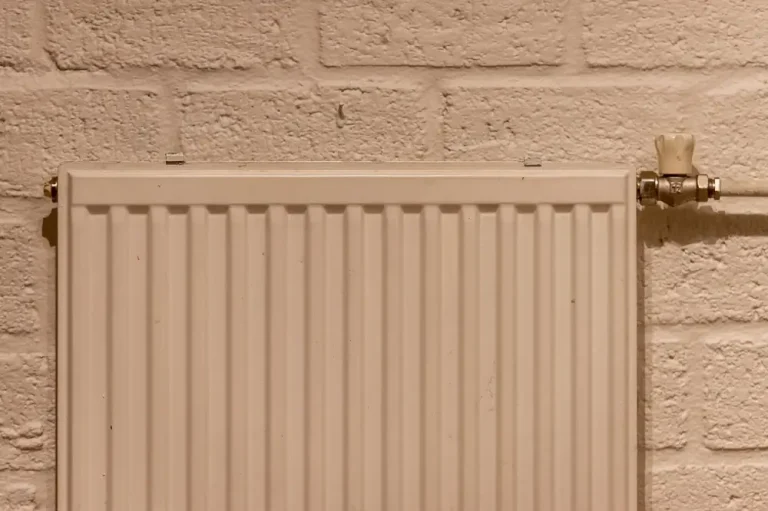
| Radiator/emitter work (delivery design) | £360–£2,900 | The UK retrofit reality |
| Boiler Upgrade Scheme grant | £0–£0 | −£7,500 on qualifying installs |
Understanding Samsung EHS Mono Heat Pump Cost
Monobloc engineering puts the complete refrigerant circuit in the outdoor unit — water pipes (not refrigerant) connect it to the indoor cylinder and system. The install consequence is real: plumbers run water connections without F-Gas refrigerant certification, the commissioning is water-side, and the labor economics price below split systems honestly.
The EHS Mono sits in the UK grant-market sweet spot: BUS-qualifying at the efficiency thresholds, priced below the premium German and Japanese split tiers, and backed by the Samsung distribution scale. The value stack — monobloc install economics, volume-manufacturer pricing, the £7,500 grant — makes it the honest budget-to-mid choice in the air-to-water transition.
What Moves the Price Up or Down
The whole-system spread:
| Factor | Cost Impact | Detail |
|---|---|---|
| Capacity class 5 → 16 kW | +2k–5k | Home-size pricing |
| Cylinder size and tier | +0.5k–1.5k | Hot water demand |
| Emitter work (radiator upsize) | +0.5k–4k | The delivery-design retrofit |
| Monobloc install economics | −0.5k–1.5k vs split | Water-side labor advantage |
| BUS grant capture | −£7,500 | The qualifying paperwork |
| Property heat loss (sizing survey) | sizes the class | The MCS assessment |

EHS Mono System Builds
Three honest configurations:
| Option | Description | Best For | Cost Level |
|---|---|---|---|
| Small home 5–8 kW + cylinder | Flats and compact properties | Modest loads, grant-forward economics | Low net (£1,500–4,500 post-grant) |
| Typical home 9–12 kW full system | The standard UK build | 3-bed semis and detached modest | Mid net (£3,000–6,500) |
| Larger home 13–16 kW + emitter work | The full-retrofit build | Bigger properties, delivery redesign | High net (£5,500–8,500) |
The grant pulls every build into honest territory: small homes land under £5,000 net, typical homes in the mid single digits — the EHS Mono value stack makes the air-to-water transition genuinely accessible.
Three Realistic Project Scenarios
Budget — small home, grant-forward — £1,800–£3,250
6 kW class, compact property, BUS applied.
- System + cylinder + install — £7,200–£8,650
- BUS grant — £0–£0
Why this matters: the grant-forward build: the EHS Mono pricing plus the £7,500 pulls small-home nets into heat-pump accessibility territory.
Mid — typical home full system — £3,250–£4,700
10 kW, cylinder, smart controls, standard emitter work.
- Whole system installed — £8,650–£10,100
- BUS grant — £0–£0
Why this matters: the standard UK build: monobloc economics plus grant capture lands the typical home at honest mid-single-digit net pricing.
Premium — larger home with delivery work — £4,700–£6,100
14 kW, emitter redesign as part of the project.
- System + full delivery design — £10,100–£11,500
- BUS grant — £0–£0
Why this matters: the full-retrofit build: capacity and emitter work for the bigger loss, the grant still pulling its £7,500
The scenarios price the capacity ladder net of grant — the EHS Mono value stack runs honest at every tier of the UK stock.
Sample Budget Breakdown
The table below shows how a typical mid-range budget for samsung ehs mono heat pump cost distributes across equipment, labor and compliance in the United Kingdom. Adjust the percentages to your own scope before using it as a savings target.
| Category | Estimated Amount | Explanation | Optimization Tip |
|---|---|---|---|
| Whole system (unit + cylinder + controls) | £3,950–£7,550 | Capacity-tiered | The monobloc install economics price the labor honestly below split systems — the value engineering |
| Emitter and delivery work | £360–£2,900 | Retrofit reality | Upsize for the flow temperatures or design underfloor where it exists — the COP decade prices this line |
| BUS grant paperwork | £5,400–£0 | The qualifying stack | MCS installer, EPC prerequisites, point-of-sale application — the grant is the market structure |
Every figure above is an indicative 2026 market range. Final quotes move with site conditions, contractor availability and the exact specification you lock in.
From Quote to Completion: the Typical Timeline
Most samsung ehs mono heat pump cost projects follow the same five-stage rhythm. Knowing the calendar before you sign prevents the two classic frustrations — feeling rushed into a deposit, and being surprised by a mid-project gap while equipment arrives.
- Week 0: home assessment — Manual J load calculation, duct inspection (if ducted) and electrical panel review set the whole design.
- Week 1–2: quotes and incentive paperwork — Multiple itemised quotes; rebate and tax-credit applications prepared before signature where programs allow.
- Week 2–5: equipment and permits — Heat pump ordering plus any municipal permit — cold-climate lines occasionally backorder in shoulder seasons.
- Install: 1–3 days — Ducted swaps run a day; ductless multi-zone and duct retrofits run to three with commissioning.
- Day of install + 30 days: commissioning review — Airflow, refrigerant charge and defrost-cycle settings verified — documented on the commissioning sheet.
Smart Ways to Control the Budget
Cost control on samsung ehs mono heat pump cost is mostly about scope discipline and timing. These are the strategies that consistently deliver the largest savings:
Replace indoor and outdoor units together
Matched pairs keep efficiency ratings valid and warranty claims clean; mixing an old indoor coil with a new condenser voids ratings.
Advantages:
- Directly reduces the controllable parts of the quote
- No impact on system quality or compliance when scoped correctly
Disadvantages:
- Higher upfront than component-swapping a single failed unit.
- Requires planning lead-time you may not have on urgent repairs
Get the ductwork sealed in the same visit
Duct leakage of 20–30% is common; sealing at retrofit time is a fraction of the cost of a dedicated visit.
Advantages:
- Directly reduces the controllable parts of the quote
- No impact on system quality or compliance when scoped correctly
Disadvantages:
- Adds a day of work and line-item cost to an already large ticket.
- Requires planning lead-time you may not have on urgent repairs
Compare on installed price, not equipment price
The same catalog unit quotes $2,000 apart between contractors; the difference is labor, warranty and commissioning quality.
Advantages:
- Directly reduces the controllable parts of the quote
- No impact on system quality or compliance when scoped correctly
Disadvantages:
- Requires the dreaded multiple-quotes process.
- Requires planning lead-time you may not have on urgent repairs
Ask for the commissioning sheet
Airflow, charge and control settings documented at handover separate professional installs from box-droppers — and protect warranty claims.
Advantages:
- Directly reduces the controllable parts of the quote
- No impact on system quality or compliance when scoped correctly
Disadvantages:
- Some installers cannot produce one, which is itself the signal.
- Requires planning lead-time you may not have on urgent repairs
Permits, Rules and Safety
UK monobloc specifics:
- Rebate programs increasingly require a commissioning sheet and permit close-out before payout — paperwork your installer should handle.
- Electrical permit and inspection for the dedicated circuit — universal, and often bundled by the installer.
- Ground-source (geothermal) loops need substantially more permitting: borehole drilling, grouting requirements and sometimes water-board review.
Maintenance and Long-Term Ownership Costs
The purchase price is only the first line of the budget. These recurring items are what samsung ehs mono heat pump cost owners in the United Kingdom actually spend money on:
| Task | Frequency | Typical Cost | Why It Matters |
|---|---|---|---|
| Outdoor coil and defrost check | Yearly pre-winter | $120–$200 with tune-up | Cold-climate performance lives in clean coils and working defrost cycles. |
| Duct inspection (ducted systems) | Every 2–3 years | $100–$300 | Duct leaks silently tax every heating bill; cameras catch what hands miss. |
| Refrigerant and electrical check | Yearly | Included in tune-up | Connections loosen with thermal cycling — caught early they are $0 problems. |
| Drain line flush | Yearly | DIY (free) | Condensate algae block drains and overflow onto ceilings; a vinegar flush prevents it. |
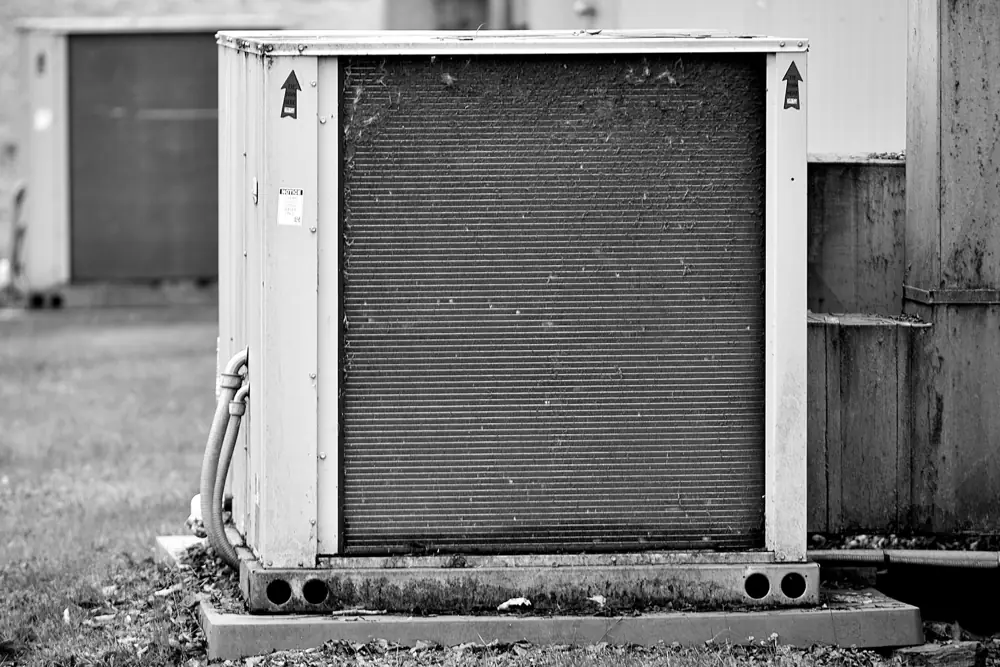
Monobloc maintenance is water-side: system pressure, inhibitor, cylinder anode — the sealed refrigerant circuit needs no annual F-Gas attention by design. The outdoor unit runs the standard condenser calendar. The maintenance story is genuinely simpler than split systems; the design earns it.
Frequently Asked Questions
What does monobloc actually mean?
Factory-sealed refrigerant in the outdoor unit: water pipes connect indoors instead of refrigerant lines. Plumbers install it without F-Gas certification, commissioning runs water-side, and the labor economics price honestly below split systems.
Is Samsung reliable for heat pumps?
Volume-manufacturer reliability with the distribution scale behind it: the EHS line runs proven in the European market, and the warranty terms assume the standard annual service. It is the value tier of a genuine engineering product, not a compromise badge.
How does the grant work on this system?
The BUS applies at point-of-sale through the MCS installer: £7,500 off the qualifying system. The EHS Mono’s BUS eligibility is the market reality — the grant assumes the efficiency thresholds the unit meets.
Why choose EHS over premium split brands?
Value stack: monobloc install economics plus volume-manufacturer pricing puts the net ticket £2,000–5,000 below the German and Japanese premium splits. The trade is refinement — noise, modulation depth, cold-extreme performance — which most UK duty honestly does not demand.
Summary
Planning samsung ehs mono heat pump cost in the United Kingdom starts with an honest range — £5,750–£11,500 for the scenarios most households actually install — then works backwards through monobloc economics, capacity class and grant capture.
£8,000–16,000 gross, £1,500–8,500 net of the BUS grant — the EHS Mono is the value-engineered honest answer for the UK grant-market transition: sealed refrigerant, water-side labor, volume pricing, and the £7,500 that makes it accessible. Collect at least three itemised quotes, confirm the permit path before signing, and hold a 10–15% contingency for site surprises. Those three habits protect more budget than any product choice.