Heat Pump and Attic Insulation Bundle Cost Massachusetts
By the Climate Home Editorial Team — reviewed for accuracy. Last updated October 2026. This article is for informational purposes and reflects typical market pricing; obtain local quotes for your specific project.
The heat pump and insulation bundle is the Massachusetts whole-house answer: right-size the equipment after tightening the envelope, and both investments pay better together than either does alone. The state’s programs reward exactly this — incentives stack on the pairing because the physics is honest.
This guide prices the bundled approach with 2026 MA rates: heat pump plus attic insulation as a coordinated project, the sizing savings that envelope work unlocks, and the Mass Save program structure that rebates both components of the pair.
Heat Pump and Attic Insulation Bundle Cost — At a Glance for US
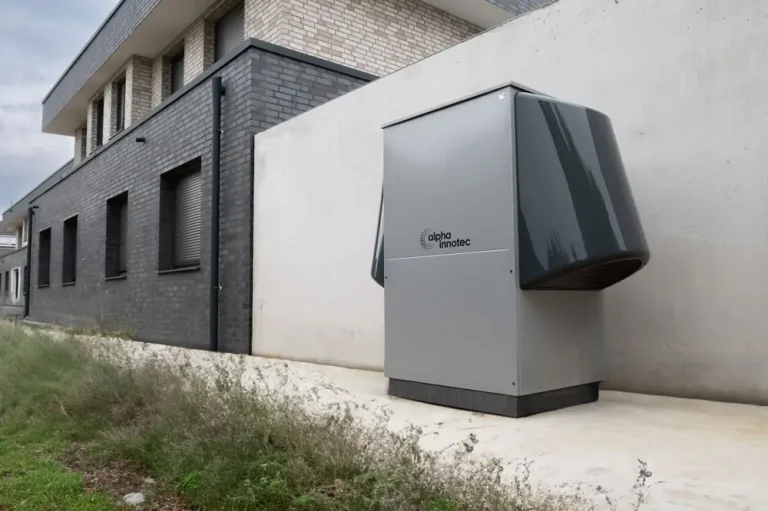
A heat pump plus attic insulation bundle in Massachusetts runs $14,000–$28,000 — the heat pump system ($12,000–20,000) plus attic insulation to R-49+ ($3,000–7,000), coordinated so the equipment sizes to the tightened envelope. Mass Save rebates can return $2,000–10,000+ across the pair, and the honest sequencing is insulation first, equipment second — the load calculation follows the envelope. This is a realistic planning number for the United States in 2026, not a marketing low-ball.
| Line Item | Typical Range (USD) | What Drives It |
|---|---|---|
| Heat pump system (post-insulation sizing) | $12,000–$20,000 | Right-sized to the tightened envelope |
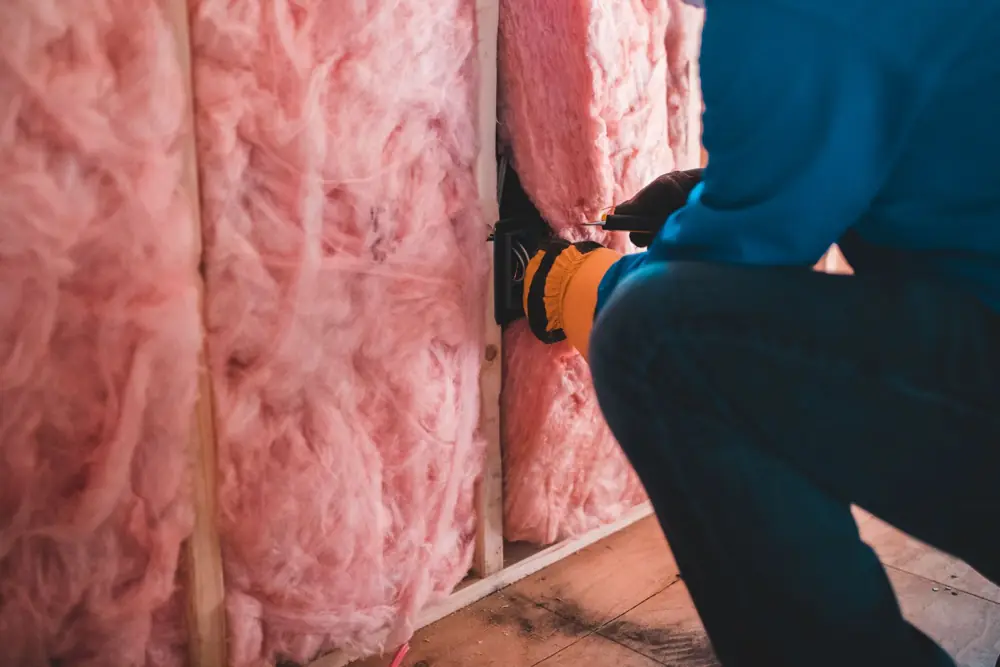
| Attic insulation to R-49 (blown) | $3,000–$7,000 | The envelope half of the bundle |
| Air sealing (attic prep) | $500–$1,500 | The prerequisite that makes insulation honest |
| Mass Save heat pump rebates | $0–$0 | Program-year specific, often substantial |
| Mass Save insulation rebates | $0–$0 | 0–100% coverage historically on qualifying work |
| Sizing savings (smaller equipment) | $500–$2,000 | The envelope dividend |
Understanding Heat Pump and Attic Insulation Bundle Cost
The bundle’s physics is load reduction: attic insulation and air sealing cut the heating load measurably (often 15–30% in leaky Massachusetts homes), which right-sizes the heat pump smaller. Smaller equipment costs less to buy and less to run — the envelope investment returns through the equipment decision as well as the bills.
Mass Save is the programmatic reason the bundle is the MA answer: the utility-run program rebates insulation aggressively (historically up to 100% on qualifying attic work) and heat pumps substantially (tiered by efficiency and configuration), with the coordinated home-energy assessment as the entry point. The bundle captures both rebate streams on one project — which is why the state contractors sell it as a package.
What Moves the Price Up or Down
The bundle spread:
| Factor | Cost Impact | Detail |
|---|---|---|
| Envelope starting condition (leakiness) | ±1k–3k insulation scope | The assessment prices the work |
| Heat pump configuration (ducted/ductless) | ±3k–6k | Architecture on the tightened load |
| Mass Save program-year generosity | ±2k–5k rebate | The program current terms |
| Attic accessibility and prep work | +500–2000 | Real-world insulation logistics |
| Equipment tier (cold-climate MA duty) | +1.5k–3.5k | The Massachusetts requirement |
| Coordination discipline (sequencing) | 0 | Free if planned |
Bundle Configurations
Three honest builds:
| Option | Description | Best For | Cost Level |
|---|---|---|---|
| Ductless mini-split + attic insulation | The retrofit bundle | Homes without ducts, room-level comfort | Low-mid ($15,000–20,000) |
| Ducted heat pump + insulation | The whole-home bundle | Duct-equipped homes, hidden delivery | Mid ($17,000–24,000) |
| Cold-climate premium + deep envelope | The maximum-efficiency build | Efficiency-first projects, deep retrofits | High ($22,000–28,000) |
The bundle’s honest core: insulation first, equipment second — the load calculation that follows the tightened envelope sizes the heat pump to save money twice. the Massachusetts programs exist because this physics is real.
Three Realistic Project Scenarios
Budget — ductless + attic bundle — $15,500–$19,500
Retrofit home, Mass Save-coordinated.’, )
- Ductless multi-zone (right-sized) — $11,500–$14,000
- Attic insulation + air sealing — $3,500–$5,000
Why this matters: the retrofit bundle: envelope work cuts the load, the right-sized ductless answers it, and Mass Save rebates both halves.
Mid — ducted + insulation bundle — $18,000–$23,000
Duct-equipped home, whole-house upgrade.’, )
- Ducted cold-climate system — $14,000–$17,000
- Insulation package to R-49 — $4,000–$6,000
Why this matters: the whole-home bundle: hidden delivery plus tight envelope, the Massachusetts-coordinated project the programs reward
Premium — deep envelope + premium HP — $24,000–$28,000
Efficiency-first deep retrofit.’, )
- Premium cold-climate system — $18,000–$21,000
- Deep envelope package — $6,000–$8,000
Why this matters: the maximum build: deep envelope work and premium equipment, with the rebate stack recovering real money on the qualifying configuration
The bundle tiers price the envelope depth and equipment architecture — the constant is the sequencing discipline that captures the sizing dividend.
Sample Budget Breakdown
The table below shows how a typical mid-range budget for heat pump and attic insulation bundle cost distributes across equipment, labor and compliance in the United States. Adjust the percentages to your own scope before using it as a savings target.
| Category | Estimated Amount | Explanation | Optimization Tip |
|---|---|---|---|
| Envelope work (insulation + sealing) | $3,000–$8,000 | The load-reduction half | Insulation first — the $500–2,000 sizing dividend funds sequencing discipline |
| Heat pump (right-sized) | $11,500–$21,000 | The equipment half | Right-sizing after envelope work: smaller equipment on the tightened load — the bundle quiet savings |
| Mass Save coordination | $0–$500 | The program entry | The home-energy assessment prices the rebates and the work honestly — it is the bundle paperwork foundation |
Every figure above is an indicative 2026 market range. Final quotes move with site conditions, contractor availability and the exact specification you lock in.
From Quote to Completion: the Typical Timeline
Most heat pump and attic insulation bundle cost projects follow the same five-stage rhythm. Knowing the calendar before you sign prevents the two classic frustrations — feeling rushed into a deposit, and being surprised by a mid-project gap while equipment arrives.
- Week 2–5: equipment and permits — Heat pump ordering plus any municipal permit — cold-climate lines occasionally backorder in shoulder seasons.
- Install: 1–3 days — Ducted swaps run a day; ductless multi-zone and duct retrofits run to three with commissioning.
- Day of install + 30 days: commissioning review — Airflow, refrigerant charge and defrost-cycle settings verified — documented on the commissioning sheet.
- Week 0: home assessment — Manual J load calculation, duct inspection (if ducted) and electrical panel review set the whole design.
- Week 1–2: quotes and incentive paperwork — Multiple itemised quotes; rebate and tax-credit applications prepared before signature where programs allow.
Smart Ways to Control the Budget
Cost control on heat pump and attic insulation bundle cost is mostly about scope discipline and timing. These are the strategies that consistently deliver the largest savings:
Stack incentives before signing
Federal tax credits, state rebates and utility programs stack; a spreadsheet of every program for your zip code can cut 10–30% off the net price.
Advantages:
- Directly reduces the controllable parts of the quote
- No impact on system quality or compliance when scoped correctly
Disadvantages:
- Paperwork takes hours, and some programs rebate after installation rather than at point of sale.
- Requires planning lead-time you may not have on urgent repairs
Size with a Manual J calc, not square footage
Right-sized heat pumps run efficient cycles; oversized ones short-cycle, cost more upfront and dehumidify poorly.
Advantages:
- Directly reduces the controllable parts of the quote
- No impact on system quality or compliance when scoped correctly
Disadvantages:
- Adds a survey cost and rules out phone-quote installers entirely.
- Requires planning lead-time you may not have on urgent repairs
Replace indoor and outdoor units together
Matched pairs keep efficiency ratings valid and warranty claims clean; mixing an old indoor coil with a new condenser voids ratings.
Advantages:
- Directly reduces the controllable parts of the quote
- No impact on system quality or compliance when scoped correctly
Disadvantages:
- Higher upfront than component-swapping a single failed unit.
- Requires planning lead-time you may not have on urgent repairs
Get the ductwork sealed in the same visit
Duct leakage of 20–30% is common; sealing at retrofit time is a fraction of the cost of a dedicated visit.
Advantages:
- Directly reduces the controllable parts of the quote
- No impact on system quality or compliance when scoped correctly
Disadvantages:
- Adds a day of work and line-item cost to an already large ticket.
- Requires planning lead-time you may not have on urgent repairs
Permits, Rules and Safety
Massachusetts program specifics:
- Electrical permit and inspection for the dedicated circuit — universal, and often bundled by the installer.
- Ground-source (geothermal) loops need substantially more permitting: borehole drilling, grouting requirements and sometimes water-board review.
- Rebate programs increasingly require a commissioning sheet and permit close-out before payout — paperwork your installer should handle.
Maintenance and Long-Term Ownership Costs
The purchase price is only the first line of the budget. These recurring items are what heat pump and attic insulation bundle cost owners in the United States actually spend money on:
| Task | Frequency | Typical Cost | Why It Matters |
|---|---|---|---|
| Refrigerant and electrical check | Yearly | Included in tune-up | Connections loosen with thermal cycling — caught early they are $0 problems. |
| Drain line flush | Yearly | DIY (free) | Condensate algae block drains and overflow onto ceilings; a vinegar flush prevents it. |
| Filter replacement or wash | Every 1–3 months | DIY ($10–$30) | The single highest-return habit; airflow starvation is the top cause of heat pump complaints. |
| Outdoor coil and defrost check | Yearly pre-winter | $120–$200 with tune-up | Cold-climate performance lives in clean coils and working defrost cycles. |
The bundle’s maintenance is two calendars in one house: insulation is install-and-forget (verify annually that attic access remains sealed), and the heat pump runs the standard schedule on right-sized equipment — which cycles more evenly and wears better than oversized machines fighting leaky envelopes.
Frequently Asked Questions
Why insulation before the heat pump?
Sizing honesty: the tightened envelope reduces the load 15–30%, which sizes the equipment smaller and cheaper. Insulation-first sequencing saves $500–2,000 on equipment and compounds the efficiency gains — the physics pays the discipline.
What does Mass Save actually cover?
Program-year specific: insulation rebates have run up to 100% on qualifying attic work, and heat pump rebates scale by efficiency tier and configuration. The home-energy assessment is the entry — it prices your house honest numbers rather than the brochure’s.
Can I do the insulation separately later?
You can, but you lose the coordination dividend: the heat pump sized to the leaky envelope is oversized for the tightened one, and oversized equipment short-cycles and dehumidifies poorly. The bundle exists because the sequencing matters.
Does the bundle work for ductless homes?
Genuinely — the retrofit bundle (ductless + attic insulation) is the no-ducts answer that Mass Save rewards: envelope work first, right-sized multi-zone equipment second, both rebates captured on one coordinated project.
Summary
Planning heat pump and attic insulation bundle cost in the United States starts with an honest range — $14,000–$28,000 for the scenarios most households actually install — then works backwards through envelope-first sequencing and program capture.
Budget $15,000–20,000 for the retrofit bundle, $17,000–24,000 whole-home ducted — insulation first, right-size the equipment to the tightened load, and let Mass Save dual rebates recover $2,000–10,000+ on the coordinated project the state’s programs exist to reward. Collect at least three itemised quotes, confirm the permit path before signing, and hold a 10–15% contingency for site surprises. Those three habits protect more budget than any product choice.