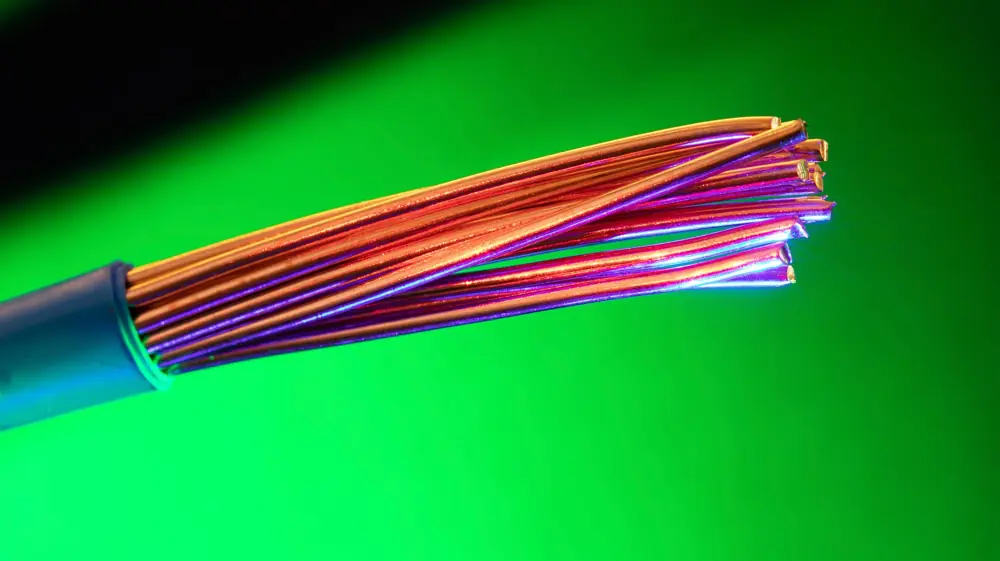
Mini Split Line Set Extension Cost Per Foot Texas
By the Climate Home Editorial Team — reviewed for accuracy. Last updated October 2026. This article is for informational purposes and reflects typical market pricing; obtain local quotes for your specific project.
The line set is mini-split plumbing’s quiet money: the insulated copper pair carrying refrigerant between indoor head and outdoor condenser. Standard installs assume a 15–25 ft kit; Texas homes regularly need 40, 60, even 80 feet — and the extension is priced per foot with complications the brochure never shows.
This guide prices line-set extensions with 2026 Texas rates: the per-foot material-and-labor number, the length limits where systems need extra refrigerant charge or bigger-diameter copper, and the concealment options that turn functional plumbing into clean installation.
Mini Split Line Set Extension Cost — At a Glance for US
Extending a mini-split line set runs $40–$120 per foot beyond the standard kit — material, insulation and labor together. Lengths past 50 ft often trigger additional refrigerant charge (priced by the pound, $25–60), and past 65–100 ft (by manufacturer) can exceed the system’s design limits entirely. Concealment adds $10–25/ft for track or wall-chase routing. This is a realistic planning number for the United States in 2026, not a marketing low-ball.
| Line Item | Typical Range (USD) | What Drives It |
|---|---|---|
| Line-set extension (material + labor) | $40–$120 | Per foot beyond kit |
| Additional refrigerant charge (past ~50 ft) | $25–$60 | Per pound, system-specific |
| Line-set cover/concealment track | $10–$25 | Per foot, painted PVC or metal |
| Wall/floor chase routing | $30–$80 | Per foot, concealed in structure |
| Larger-diameter copper (long runs) | $20–$45 | Per foot, upsized lines |
| Riser/bend protection at penetrations | $15–$40 | Per transition |
Understanding Mini Split Line Set Extension Cost
Line sets are pre-flared copper pair — liquid and suction lines — factory-insulated and bent by hand. The physics of extension: refrigerant has pressure-drop limits, so length and rise have ceilings per system; the charge is calculated for the factory kit, so real extensions need measured additional refrigerant; and every added foot is more insulation, more labor, and more surface absorbing Texas heat.
The Texas pricing reality: long runs are common because condensers want shaded positions and Texas lots put those far from the heads. The honest quote itemizes the extension feet, shows the refrigerant-charge calculation, and states the manufacturer’s length ceiling for your specific system — the padded quote hides all three inside ‘labor’.
What Moves the Price Up or Down
The per-foot spread:
| Factor | Cost Impact | Detail |
|---|---|---|
| Run length (25 → 50 → 80 ft) | per-foot linear | Plus charge at thresholds |
| Vertical rise (condenser above/below head) | +10–20% | Rise counts against limits |
| Concealment level (surface vs chase) | +10–55/ft | Aesthetic routing |
| Additional refrigerant charge | +25–60/lb | System-specific at ~50 ft+ |
| Manufacturer length ceiling | design limit | Some systems cap at 50 ft, others 100 |
| Penetrations and bends count | +15–40/each | Labor and protection |

Extension Approaches
Three honest routes:
| Option | Description | Best For | Cost Level |
|---|---|---|---|
| Surface line-set + cover track | PVC/metal track, painted to match | Budget-real, garage/utility aesthetics | Low ($50–70/ft all-in) |
| Chase routing (in-wall/floor) | Concealed inside structure | Finished living spaces | Mid ($80–120/ft all-in) |
| Condenser relocation (shorten the run) | Move the outdoor unit closer | Long-run avoidance, worth pricing | Varies ($300–800 move) |
The surface track answers utility spaces honestly; chases answer finished rooms; and the often-missed third option — moving the condenser to shorten the run — sometimes beats extending it entirely.
Three Realistic Project Scenarios
Budget — 20 ft extension, surface track — $1,000–$1,400
Garage head, condenser around the corner.
- 20 ft extension material + labor — $800–$1,000
- Cover track, painted — $250–$400
Why this matters: utility spaces run surface honestly — the track is tidy, the price is real, the garage doesn’t need architecture.
Mid — 40 ft extension with charge — $1,800–$2,600
Head far from the shaded condenser position.
- 40 ft extension + upsized insulation — $1,600–$2,000
- Additional refrigerant charge — $150–$300
- Cover track through visible sections — $300–$500
Why this matters: the Texas-typical run — 40 ft past the kit, charge added, and the shaded condenser position earning its plumbing cost.
Premium — chase routing through finished space — $2,800–$4,000
Living-area head, concealed lines.’, )
- 50 ft chase-routed extension — $2,200–$3,000
- Charge + penetration work — $300–$600
- Finish patching and paint — $300–$400
Why this matters: finished rooms price concealment honestly — the chase keeps walls clean and the plumbing invisible, at construction rates.
The extension routes ladder on aesthetics and distance: track for utility, chase for living spaces, and relocation pricing whenever the run gets silly.
Sample Budget Breakdown
The table below shows how a typical mid-range budget for mini split line set extension cost distributes across equipment, labor and compliance in the United States. Adjust the percentages to your own scope before using it as a savings target.
| Category | Estimated Amount | Explanation | Optimization Tip |
|---|---|---|---|
| Extension material and labor | $800–$3,000 | Per-foot by route | Itemize the feet — the honest quote counts them |
| Refrigerant charge adjustment | $0–$300 | At ~50 ft thresholds | The calculation is manufacturer-specific — it should be written down |
| Concealment and finish | $250–$900 | Track to chase spectrum | Surface track is $10–25/ft of honesty — chases are construction; price rooms accordingly |
Every figure above is an indicative 2026 market range. Final quotes move with site conditions, contractor availability and the exact specification you lock in.
From Quote to Completion: the Typical Timeline
Most mini split line set extension cost projects follow the same five-stage rhythm. Knowing the calendar before you sign prevents the two classic frustrations — feeling rushed into a deposit, and being surprised by a mid-project gap while equipment arrives.
- Same day: electrical connection — The disconnect and circuit tie-in is same-day work for a licensed electrician on most installs.
- Week 2–4: follow-up check — Refrigerant pressures and head airflow re-checked while the workmanship warranty is fresh.
- Day 0–2: load calculation and quote — A competent installer measures the rooms, checks electrical capacity and quotes by zone — phone quotes without room details are guesses.
- Day 3–10: equipment ordering — Stock single-zone units ship in days; multi-zone and premium lines run 1–3 weeks from distributors.
- Install day: 4–8 hours per zone — Mount indoor heads, drill the line-set path, hang the condenser, vacuum the lines, release refrigerant, test and commission.
Smart Ways to Control the Budget
Cost control on mini split line set extension cost is mostly about scope discipline and timing. These are the strategies that consistently deliver the largest savings:
Bundle the outdoor pad and electrical at install
The condenser pad, disconnect box and circuit are needed anyway — pricing them inside the install saves a second electrician visit.
Advantages:
- Directly reduces the controllable parts of the quote
- No impact on system quality or compliance when scoped correctly
Disadvantages:
- Raises the upfront ticket even when the panel has capacity to spare.
- Requires planning lead-time you may not have on urgent repairs
Buy the equipment tier, not the brand
Within the major brands, tier (single-zone premium vs multi-zone value) moves price more than the logo; performance differences at matching tier are thin.
Advantages:
- Directly reduces the controllable parts of the quote
- No impact on system quality or compliance when scoped correctly
Disadvantages:
- Requires reading spec sheets instead of choosing by reputation.
- Requires planning lead-time you may not have on urgent repairs
Time the job for shoulder season
HVAC crews are slammed at the first heat wave and the first freeze; spring and autumn installs quote faster and cheaper.
Advantages:
- Directly reduces the controllable parts of the quote
- No impact on system quality or compliance when scoped correctly
Disadvantages:
- You may wait weeks in peak season for an urgent failure — the off-season discount has a calendar price.
- Requires planning lead-time you may not have on urgent repairs
Ask about open-box or previous-year inventory
Unsold units from superseded lines sell at 15–30% off with full warranty at many dealers.
Advantages:
- Directly reduces the controllable parts of the quote
- No impact on system quality or compliance when scoped correctly
Disadvantages:
- Model availability is whatever happens to be in the warehouse.
- Requires planning lead-time you may not have on urgent repairs
Permits, Rules and Safety
Line-set extension permit notes:
- Exterior condenser placement sits inside setback and noise rules in some municipalities; side-yard placement is the usual constraint.
- Heritage and strata/condo boards often have rules about visible outdoor units and line-set routing — written approval beats a removal order.
- Electrical permits for the new circuit and disconnect are required in most jurisdictions — and the inspection protects the warranty claim.
Maintenance and Long-Term Ownership Costs
The purchase price is only the first line of the budget. These recurring items are what mini split line set extension cost owners in the United States actually spend money on:
| Task | Frequency | Typical Cost | Why It Matters |
|---|---|---|---|
| Line-set insulation inspection | Yearly | DIY (free) | UV-brittled insulation drips condensation into walls — a $20 foam sleeve prevents ceiling stains. |
| Wash indoor filters | Monthly in heavy use | DIY (free) | Clogged filters cut airflow first — performance and efficiency drop before anything breaks. |
| Coil and blower cleaning | Every 2–3 years | $150–$300 | Deep cleaning restores lost capacity and reduces indoor noise. |
| Condenser coil rinse | Yearly | DIY (free) | Dust and cottonwood build-up starves the outdoor unit; a gentle hose rinse restores it. |
Extended line sets want insulation inspection yearly — Texas UV and heat embrittle the foam, and one torn sleeve sweating condensation into a wall is the hidden failure. Insulated sleeves and UV-resistant tape are the $30 maintenance that prevents ceiling stains.
Frequently Asked Questions
How long can a line set run?
Manufacturer-specific: many systems allow 50 ft comfortably, some reach 100. The honest answer is on your unit’s spec sheet — quotes that extend past the ceiling are quoting a system that will underperform.
Why does refrigerant charge cost extra?
The factory charge covers the standard kit’s length; real extensions add volume that must be weighed in and charged by the pound. It is measured physics ($25–60/lb), not padding — the padded version is the quote that omits it.
Can line sets be shortened if too long?
Coiled excess is the sin: it traps oil and drops pressure. The honest install cuts to length and re-flares — which is why the material line item matters more than the per-foot average suggests.
Is chase routing worth the premium?
In living spaces, genuinely — visible insulated plumbing reads as unfinished regardless of how neatly it tracks. Utility and garage spaces: the track answers fine. Route by room, not by rule.
Summary
Planning mini split line set extension cost in the United States starts with an honest range — $40–$120 for the scenarios most households actually install — then works backwards through run length, concealment level and the charge threshold.
Budget $40–120/ft by route, demand the charge calculation past 50 ft, and price condenser relocation before committing to silly runs — the extension is honest plumbing priced per foot, and the ceiling is on the spec sheet. Collect at least three itemised quotes, confirm the permit path before signing, and hold a 10–15% contingency for site surprises. Those three habits protect more budget than any product choice.