Ceiling Cassette vs Wall Mounted Mini Split Cost Chicago
By the Climate Home Editorial Team — reviewed for accuracy. Last updated October 2026. This article is for informational purposes and reflects typical market pricing; obtain local quotes for your specific project.
The head-style decision is ductless’s quiet fork: wall-mounted heads at eye height, or ceiling cassettes flush in the grid. In Chicago — where ductless retrofits meet both finished basements and landmark-district sensitivities — the choice is aesthetic, financial and airflow-geometric all at once.
This guide prices the cassette-versus-wall comparison with 2026 Chicago rates: the per-head cost difference (cassettes run $500–1,500 more installed), the airflow and distribution trade-offs, and the ceiling-construction realities that decide which style your rooms actually allow.
Ceiling Cassette vs Wall Mounted Mini Split — At a Glance for US
Swapping a wall head for a ceiling cassette adds $500–$3,000 per position — cassette bodies plus flush-grille aesthetics plus the ceiling work itself. Cassettes win on distribution (four-way airflow, no blow on occupants) and on wall-preservation; wall heads win on price, serviceability and rooms where ceiling access is bad. Both cool the same square footage at the same efficiency. This is a realistic planning number for the United States in 2026, not a marketing low-ball.
| Line Item | Typical Range (USD) | What Drives It |
|---|---|---|
| Wall-mounted head, installed (per zone) | $900–$1,600 | The standard product |
| Ceiling cassette head, installed (per zone) | $1,600–$3,000 | Includes ceiling cut, framing, grille |
| Ceiling opening + framing work (cassette) | $200–$600 | Drywall, blocking, patching |
| Condensate pump (cassette, no gravity drain) | $120–$350 | The common hidden line |
| Service clearance kit | $50–$150 | Cassette access panels |
Understanding Ceiling Cassette vs Wall Mounted Mini Split
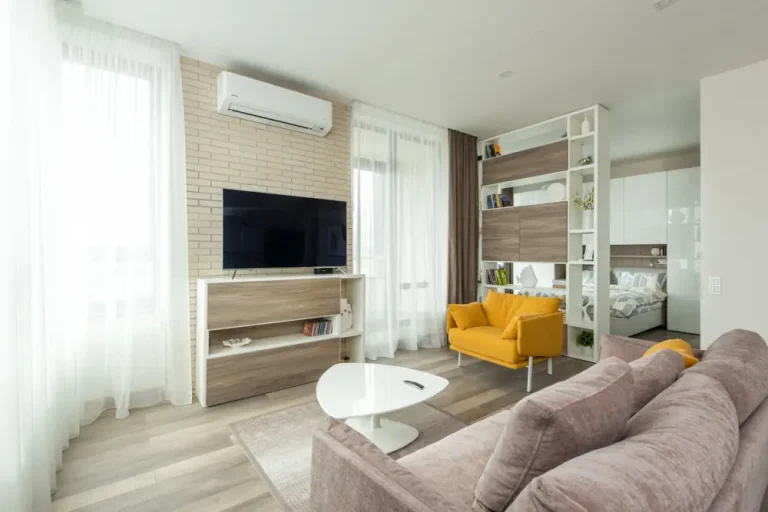
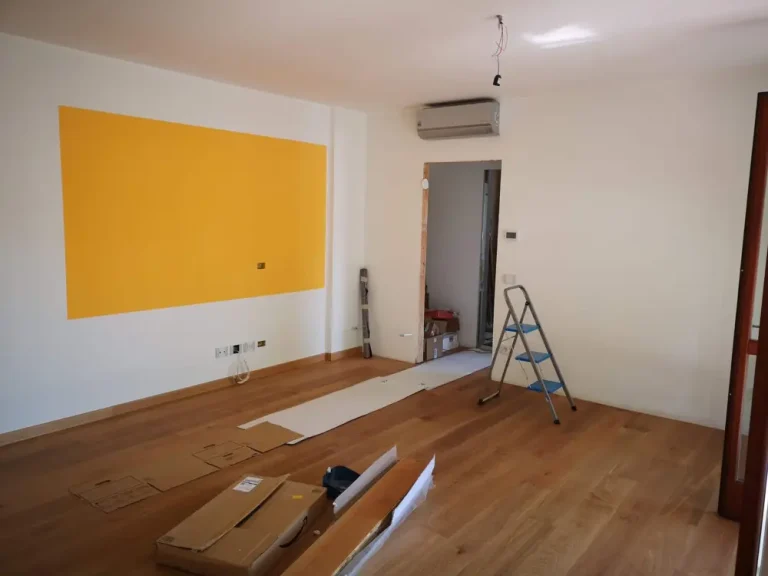
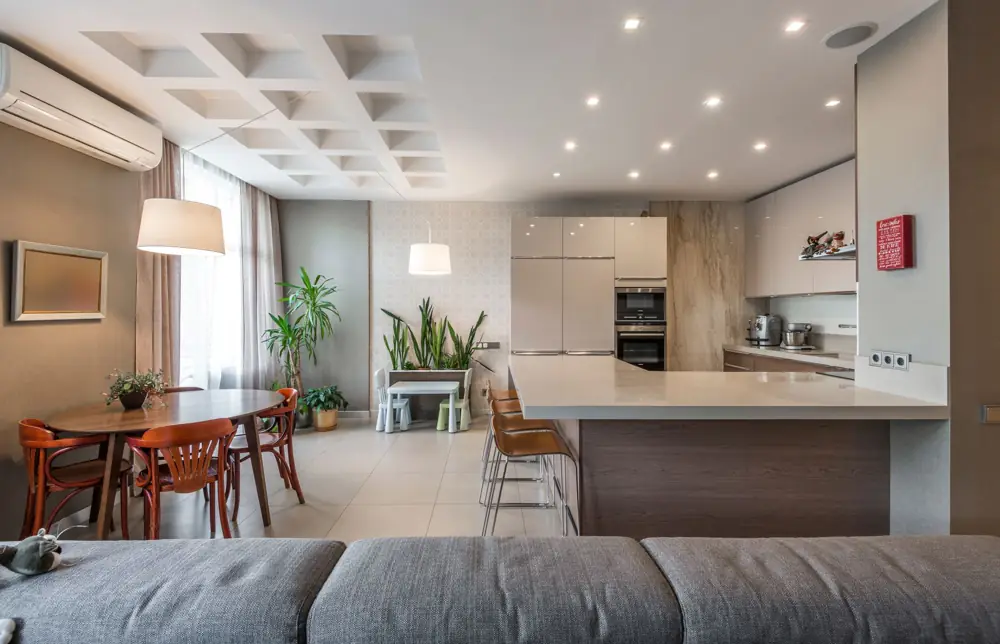
The two styles move the same air differently. Wall heads throw conditioned air along the wall plane — strong reach, directional, visible as an appliance. Cassettes sit flush in the ceiling and distribute four ways through a center grille — even coverage, zero wall furniture, and the architectural cleanliness that makes ductless acceptable in design-sensitive rooms.
The honest Chicago decision matrix: finished basements with dropped ceilings welcome cassettes (the grid hides the body); plaster ceilings in 1920s two-flats fight them (the cut is expensive and the landmark answer is usually no). Cassettes also carry a service reality — filters and pumps live above the ceiling, so access panels matter. Wall heads are serviceable from a step stool, which 15 years of ownership will appreciate.
What Moves the Price Up or Down
The per-position spread:
| Factor | Cost Impact | Detail |
|---|---|---|
| Cassette body + grille premium | +400–900 | Hardware tier difference |
| Ceiling construction (drop grid vs plaster) | +200–1200 | The cut and patch work |
| Condensate pump necessity | +120–350 | Cassettes above drain access need pumps |
| Four-way vs two-way cassette | +100–300 | Distribution quality |
| Room geometry (long/narrow favors wall throw) | airflow fit | Cassettes excel in square rooms |
| Landmark/district rules | wall often required | Chicago preservation districts prefer minimal ceiling alteration |

Head Styles Compared
The honest matrix:
| Option | Description | Best For | Cost Level |
|---|---|---|---|
| Wall-mounted heads | Standard product, directional throw | Budget priority, long rooms, easy service | Low ($900–1,600/zone) |
| Ceiling cassettes (drop-grid ceilings) | Flush grille, four-way distribution | Finished basements, offices, square rooms | Mid ($1,600–2,400/zone) |
| Ceiling cassettes (plaster/hard ceilings) | Same product plus real ceiling work | Design-led rooms where walls stay clean | High ($2,400–3,000+/zone) |
Drop-grid ceilings make cassettes an easy upgrade; hard ceilings make them a construction project. The style choice is really a ceiling-construction decision wearing an aesthetic hat.
Three Realistic Project Scenarios
Budget — wall heads, bedrooms — $1,900–$3,000
Two rooms, straightforward walls, standard product.
- 2 wall heads installed — $1,800–$2,600
- Condensate by gravity, no pumps — $0–$0
Why this matters: the honest default — wall heads price right, service easy, and directional throw suits sleeping rooms fine.
Mid — cassettes in drop-grid basement — $3,600–$4,800
Chicago finished basement, grid ceiling throughout.
- 2 cassettes in grid ceiling — $3,200–$4,200
- Condensate pumps (below-grade) — $240–$350
Why this matters: drop-grid basements are cassette country — the grid hides the body, four-way air beats wall throw in rec-room geometry, and the cut is free.
Premium — cassettes in plaster great room — $2,800–$3,000
Design-led living space, hard ceiling.’, )
- 1 cassette + ceiling work — $2,400–$2,600
- Patching and finish matching — $300–$500
Why this matters: the architectural tier: clean walls and flush air in the show room — the premium is construction, not cooling.
Same equipment family, three construction contexts — the ceiling decides the price more than the hardware does.
Sample Budget Breakdown
The table below shows how a typical mid-range budget for ceiling cassette vs wall mounted mini split distributes across equipment, labor and compliance in the United States. Adjust the percentages to your own scope before using it as a savings target.
| Category | Estimated Amount | Explanation | Optimization Tip |
|---|---|---|---|
| Head hardware by style | $900–$2,600 | Per zone | Wall heads and cassettes cool identically — style buys aesthetics and distribution |
| Ceiling work (cassette only) | $200–$1,200 | Construction context | Drop-grid is nearly free; plaster is real construction |
| Condensate management | $0–$350 | Pumps where gravity fails | Below-grade and long-drain runs need pumps — cheap hardware, mandatory function |
Every figure above is an indicative 2026 market range. Final quotes move with site conditions, contractor availability and the exact specification you lock in.
From Quote to Completion: the Typical Timeline
Most ceiling cassette vs wall mounted mini split projects follow the same five-stage rhythm. Knowing the calendar before you sign prevents the two classic frustrations — feeling rushed into a deposit, and being surprised by a mid-project gap while equipment arrives.
- Install day: 4–8 hours per zone — Mount indoor heads, drill the line-set path, hang the condenser, vacuum the lines, release refrigerant, test and commission.
- Same day: electrical connection — The disconnect and circuit tie-in is same-day work for a licensed electrician on most installs.
- Week 2–4: follow-up check — Refrigerant pressures and head airflow re-checked while the workmanship warranty is fresh.
- Day 0–2: load calculation and quote — A competent installer measures the rooms, checks electrical capacity and quotes by zone — phone quotes without room details are guesses.
- Day 3–10: equipment ordering — Stock single-zone units ship in days; multi-zone and premium lines run 1–3 weeks from distributors.
Smart Ways to Control the Budget
Cost control on ceiling cassette vs wall mounted mini split is mostly about scope discipline and timing. These are the strategies that consistently deliver the largest savings:
Bundle the outdoor pad and electrical at install
The condenser pad, disconnect box and circuit are needed anyway — pricing them inside the install saves a second electrician visit.
Advantages:
- Directly reduces the controllable parts of the quote
- No impact on system quality or compliance when scoped correctly
Disadvantages:
- Raises the upfront ticket even when the panel has capacity to spare.
- Requires planning lead-time you may not have on urgent repairs
Buy the equipment tier, not the brand
Within the major brands, tier (single-zone premium vs multi-zone value) moves price more than the logo; performance differences at matching tier are thin.
Advantages:
- Directly reduces the controllable parts of the quote
- No impact on system quality or compliance when scoped correctly
Disadvantages:
- Requires reading spec sheets instead of choosing by reputation.
- Requires planning lead-time you may not have on urgent repairs
Time the job for shoulder season
HVAC crews are slammed at the first heat wave and the first freeze; spring and autumn installs quote faster and cheaper.
Advantages:
- Directly reduces the controllable parts of the quote
- No impact on system quality or compliance when scoped correctly
Disadvantages:
- You may wait weeks in peak season for an urgent failure — the off-season discount has a calendar price.
- Requires planning lead-time you may not have on urgent repairs
Ask about open-box or previous-year inventory
Unsold units from superseded lines sell at 15–30% off with full warranty at many dealers.
Advantages:
- Directly reduces the controllable parts of the quote
- No impact on system quality or compliance when scoped correctly
Disadvantages:
- Model availability is whatever happens to be in the warehouse.
- Requires planning lead-time you may not have on urgent repairs
Permits, Rules and Safety
The head-style permit notes:
- Exterior condenser placement sits inside setback and noise rules in some municipalities; side-yard placement is the usual constraint.
- Heritage and strata/condo boards often have rules about visible outdoor units and line-set routing — written approval beats a removal order.
- Electrical permits for the new circuit and disconnect are required in most jurisdictions — and the inspection protects the warranty claim.
Maintenance and Long-Term Ownership Costs
The purchase price is only the first line of the budget. These recurring items are what ceiling cassette vs wall mounted mini split owners in the United States actually spend money on:
| Task | Frequency | Typical Cost | Why It Matters |
|---|---|---|---|
| Refrigerant pressure check | Yearly with tune-up | $90–$160 | Catches slow leaks while they are top-ups rather than repairs. |
| Line-set insulation inspection | Yearly | DIY (free) | UV-brittled insulation drips condensation into walls — a $20 foam sleeve prevents ceiling stains. |
| Wash indoor filters | Monthly in heavy use | DIY (free) | Clogged filters cut airflow first — performance and efficiency drop before anything breaks. |
| Coil and blower cleaning | Every 2–3 years | $150–$300 | Deep cleaning restores lost capacity and reduces indoor noise. |
Wall heads: step-stool service, washable filters, visible feedback. Cassettes: same filters at ceiling height, pump checks at the access panel, and the quarterly reminder that above-ceiling hardware needs above-ceiling attention.
Frequently Asked Questions
Do cassettes cool better than wall heads?
They distribute better — four-way even coverage versus directional throw. In square rooms that reads as superior comfort; in long narrow rooms, wall throw often reaches what a center cassette cannot.
Can I put a cassette in a plaster ceiling?
Physically yes, expensively — the cut, blocking, and finish-matching are real drywall work ($500–1,200). Drop-grid ceilings are the cassette’s natural habitat; hard ceilings price the style as construction.
Why do cassettes need condensate pumps?
Cassette bodies sit above the ceiling with shallow drain pan depth — gravity drainage needs favorable slope to a drain. Where walls and grade don’t cooperate, the pump moves condensate reliably; it is a $120–350 part that protects a ceiling.
Which style do landlords prefer?
Wall heads, almost universally — service from a step ladder and replacement without ceiling surgery. Cassettes appear in owner-occupied and design-led contexts where the premium earns visible returns.
Summary
Planning ceiling cassette vs wall mounted mini split in the United States starts with an honest range — $500–$3,000 for the scenarios most households actually install — then works backwards through ceiling construction and the aesthetics-versus-serviceability trade.
Wall heads at $900–1,600 per zone for the honest default; cassettes at $1,600–3,000 where drop-grid ceilings make them cheap or design priorities make them worth it. The ceiling decides — check it before choosing the style. Collect at least three itemised quotes, confirm the permit path before signing, and hold a 10–15% contingency for site surprises. Those three habits protect more budget than any product choice.