AC Capacitor and Contactor Replacement Cost Arizona
By the Climate Home Editorial Team — reviewed for accuracy. Last updated October 2026. This article is for informational purposes and reflects typical market pricing; obtain local quotes for your specific project.
The capacitor and contactor are the AC electrical wear parts — the components that fail most often and cost least to replace. When a system hums but doesn’t start, or starts and shuts down, these two parts are the honest first suspects, and the Florida cooling season runs them hard.
This guide prices capacitor and contactor replacement with 2026 Florida rates: the parts themselves (modest), the service-call economics that frame them, the combined-replacement logic that honest technicians recommend, and the pre-season strategy that keeps these repairs scheduled instead of emergency.
AC Capacitor and Contactor Replacement Cost — At a Glance for US
AC capacitor and contactor replacement in Florida runs $120–$600 — capacitors at $120–350 installed (part $15–60, the call and labor framing the rest), contactors at $150–400 installed, both together at $250–600. The parts are cheap; the service call is the ticket. The honest strategy: pre-season replacement during a tune-up at $150–300 combined, versus July-evening emergency calls at the urgent rates. This is a realistic planning number for the United States in 2026, not a marketing low-ball.
| Line Item | Typical Range (USD) | What Drives It |
|---|---|---|
| Capacitor (part itself) | $15–$60 | The start/run component |
| Capacitor replacement (installed) | $120–$350 | Part + call + labor |
| Contactor (part itself) | $20–$80 | The relay switch |
| Contactor replacement (installed) | $150–$400 | Part + call + labor |
| Both together (combined visit) | $250–$600 | The honest pairing logic |
| Pre-season tune-up pricing (scheduled) | $150–$300 | The prevention route |
Understanding AC Capacitor and Contactor Replacement Cost
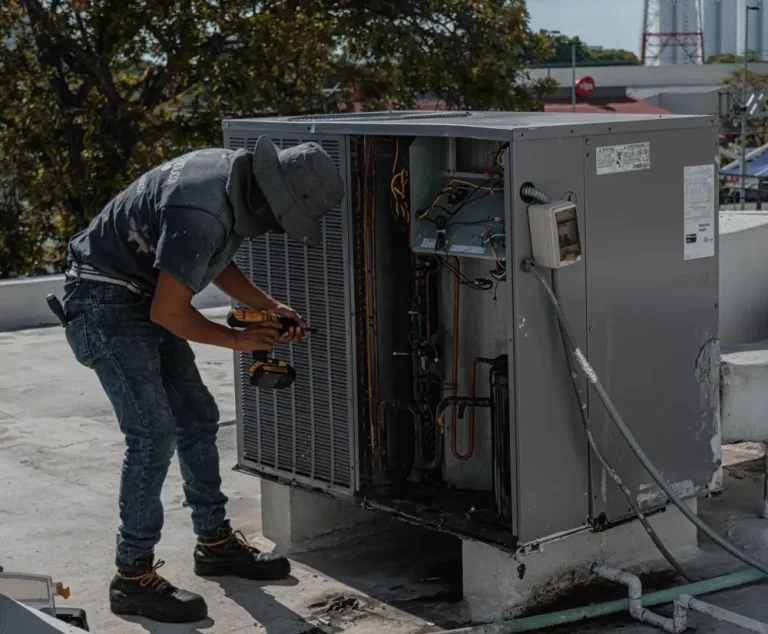
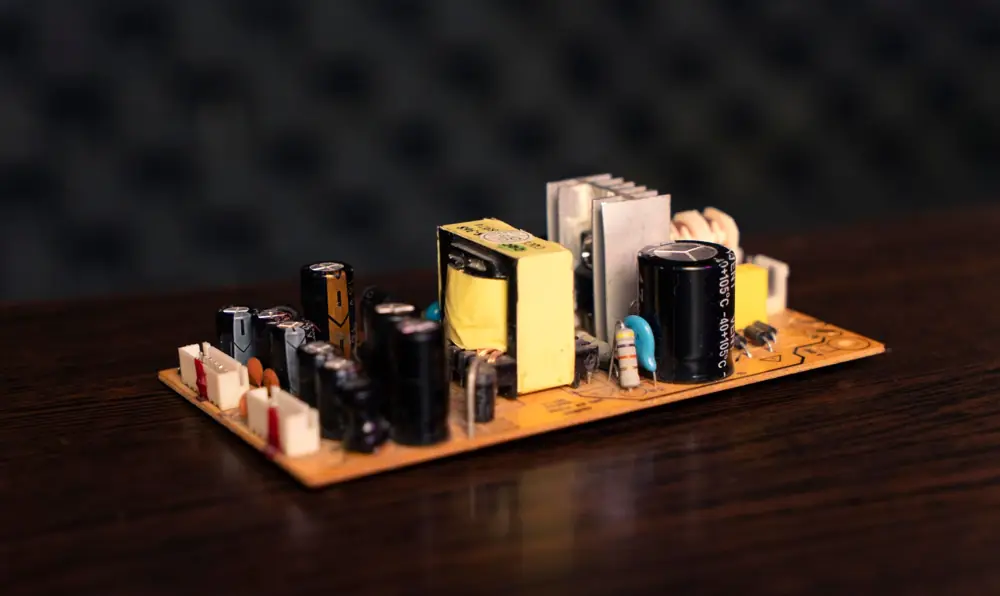
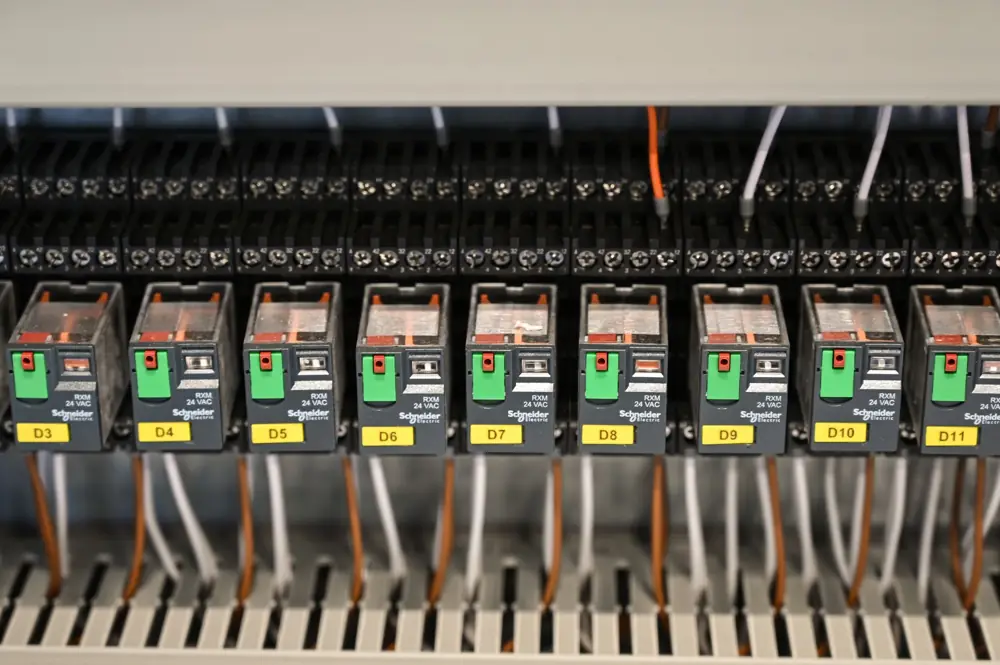
The capacitor is the electrical kick-starter — the storage component that gives the compressor and fan motors their starting surge, and the run-support that keeps them turning. The contactor is the heavy relay that switches the system main power. Both live in the condenser electrical compartment, both wear with cycling heat, and both announce failure through the symptoms homeowners learn to dread: humming without starting, clicking without running.
The Florida economics: these parts cycle through ten-month seasons and the Florida afternoon thunderstorm voltage swings — failure rates are the market volume reality. The parts are genuinely cheap ($15–80); the service call economics frame the ticket ($120–600 installed). The pre-season strategy prices the smart version: tune-up visits that test and replace worn parts at scheduled rates before the July failures price them at emergency rates.
What Moves the Price Up or Down
The replacement spread:
| Factor | Cost Impact | Detail |
|---|---|---|
| Emergency vs scheduled service | +50–150 | July-evening urgency pricing |
| Single part vs both (combined logic) | +100–250 | Wear-pairing honesty |
| Capacitor tier (OEM-spec vs generic) | +20–60 | Part quality variance |
| System accessibility | +25–75 | Tight condenser placements |
| Multi-capacitor systems (dual-run designs) | +50–150 | The combined component |
| Diagnostic verification (testing adjacent parts) | +0–100 | The honest check |

Electrical Wear-Part Patterns
The honest routes:
| Option | Description | Best For | Cost Level |
|---|---|---|---|
| Single part, scheduled service | One component at tune-up rates | Pre-season catches, maintenance visits | Low ($120–350) |
| Both parts, combined visit | The wear-pairing logic | Aging systems with both worn | Mid ($250–600) |
| Emergency replacement | July failure, urgent rates | The Florida-season reality | High ($170–750 total) |
The parts are cheap and the wear is honest — the strategy prices the calendar: scheduled replacements during $150–300 tune-ups versus the $170–750 emergency pattern that Florida’s season delivers to the unprepared.
Three Realistic Project Scenarios
Budget — capacitor at pre-season tune-up — $150–$280
Annual service finds the weak capacitor, replaced on the spot.
- Tune-up visit (includes testing) — $90–$120
- Capacitor installed — $80–$180
Why this matters: the smart pattern: the tune-up visit that tests wear parts catches the failure before it happens — scheduled rates, zero emergency.
Mid — both parts, combined replacement — $320–$550
Aging system, both components testing marginal.’, )
- Combined replacement visit — $250–$450
- System verification — $70–$100
Why this matters: the pairing logic: components that age together replace together — the combined visit prices honestly versus two separate failures
Premium — July emergency callout — $250–$750
Capacitor dies on the hottest evening of July.
- Emergency service call — $130–$250
- Replacement + verification — $120–$500
Why this matters: the Florida reality: the same cheap part at urgency pricing — the season’s tax on skipped maintenance
The scenarios price the same parts at three calendars: scheduled catches cheap, paired replacements honest, and July emergencies at the rates the unprepared pay.
Sample Budget Breakdown
The table below shows how a typical mid-range budget for ac capacitor and contactor replacement cost distributes across equipment, labor and compliance in the United States. Adjust the percentages to your own scope before using it as a savings target.
| Category | Estimated Amount | Explanation | Optimization Tip |
|---|---|---|---|
| The parts themselves | $35–$140 | Genuinely cheap | Capacitors and contactors are $15–80 components — the wear is honest and the replacement economics genuinely modest |
| Service-call economics (the real ticket) | $90–$350 | The frame | The call-out, diagnosis, and labor price the ticket — which is why the scheduled pattern wins so honestly |
| Prevention calendar | $150–$300 | The tune-up route | Annual spring service that tests wear parts: the $200 pattern that makes the $700 July emergency rare |
Every figure above is an indicative 2026 market range. Final quotes move with site conditions, contractor availability and the exact specification you lock in.
From Quote to Completion: the Typical Timeline
Most ac capacitor and contactor replacement cost projects follow the same five-stage rhythm. Knowing the calendar before you sign prevents the two classic frustrations — feeling rushed into a deposit, and being surprised by a mid-project gap while equipment arrives.
- Repair visit: 1–4 hours — Part swap, system test, and a refrigerant check if the circuit was opened.
- Same season: follow-up — A post-repair performance check catches secondary damage before it becomes the next callout.
- Annually: prevention — The pre-season tune-up that keeps the repaired system from becoming a repaired-again system.
- Hour 0–24: diagnosis — A paid diagnostic visit identifies the failed component and the repair-vs-replace math.
- Day 1–7: part sourcing — Common parts (capacitors, contactors, fan motors) are same-day; boards and coils run days; compressors run 1–2 weeks.
Smart Ways to Control the Budget
Cost control on ac capacitor and contactor replacement cost is mostly about scope discipline and timing. These are the strategies that consistently deliver the largest savings:
Repair-vs-replace math at 10 years
A repair quote above 30% of replacement cost on a system past year 10 usually tips toward replacement — energy efficiency gains compound the case.
Advantages:
- Directly reduces the controllable parts of the quote
- No impact on system quality or compliance when scoped correctly
Disadvantages:
- Replacement is a bigger ticket and a full day of work rather than an afternoon.
- Requires planning lead-time you may not have on urgent repairs
Buy the service plan only if it includes priority response
Plans priced at the value of two tune-ups rarely pay; plans that jump the emergency queue in July do.
Advantages:
- Directly reduces the controllable parts of the quote
- No impact on system quality or compliance when scoped correctly
Disadvantages:
- You pay annually for a benefit you use only during failures.
- Requires planning lead-time you may not have on urgent repairs
Pre-season tune-ups, not failure calls
A spring capacitor and contactor check costs a fraction of a July-evening emergency callout for the same parts.
Advantages:
- Directly reduces the controllable parts of the quote
- No impact on system quality or compliance when scoped correctly
Disadvantages:
- Requires remembering to book in a season the AC is not on your mind.
- Requires planning lead-time you may not have on urgent repairs
Photograph the data plate before calling
Model and serial numbers turn phone quotes from guesses into real numbers and speed up part sourcing.
Advantages:
- Directly reduces the controllable parts of the quote
- No impact on system quality or compliance when scoped correctly
Disadvantages:
- You have to find the plate on the condenser, which is usually behind a shrub.
- Requires planning lead-time you may not have on urgent repairs
Permits, Rules and Safety
Electrical-repair compliance specifics:
- Compressor and coil replacements usually need a permit-with-inspection because the circuit opens and refrigerant is recovered.
- Warranty claims on replaced parts typically require the licensed invoice — keep the paper trail.
- Any work that opens the refrigerant circuit must be done by a licensed technician — DIY refrigerant handling is illegal in all five countries covered.
Maintenance and Long-Term Ownership Costs
The purchase price is only the first line of the budget. These recurring items are what ac capacitor and contactor replacement cost owners in the United States actually spend money on:
| Task | Frequency | Typical Cost | Why It Matters |
|---|---|---|---|
| Refrigerant leak check | Yearly | $90–$160 | Systems losing charge run hot; a top-up is $150, a compressor cooked by low charge is $2,000+. |
| Drain pan and line | Yearly | DIY (free) | The secondary drain pan is the last line of defense before water damage claims. |
| Filter discipline | Every 1–3 months | DIY ($10–$30) | The repair that most often follows a neglected filter is a frozen coil — and frozen coils kill compressors. |
| Capacitor and contactor check | Yearly pre-season | Included in tune-up | The two parts that fail most are also the cheapest to replace before failure. |
Capacitor-and-contactor maintenance IS the pre-season tune-up: the testing that catches weak components before failure season. the Florida voltage-swing thunderstorm environment adds surge-protection to the honest conversation — the $100–200 protector that extends electrical-component life measurably.
Frequently Asked Questions
Why does a $30 part cost $250 to replace?
Service-call economics: the licensed visit, the diagnosis, and the labor frame the part. The honest framing — you are buying the technician’s arrival and expertise; the capacitor rides along. The scheduled-tune-up pattern is the same economics at pleasant-weather pricing.
Should both parts be replaced together?
When both test marginal: genuinely yes — they age together in the same electrical environment, and the combined visit prices below two separate failures. When one tests healthy: no — honest technicians replace what the meter says, not what the upsell suggests.
Can I test these parts myself?
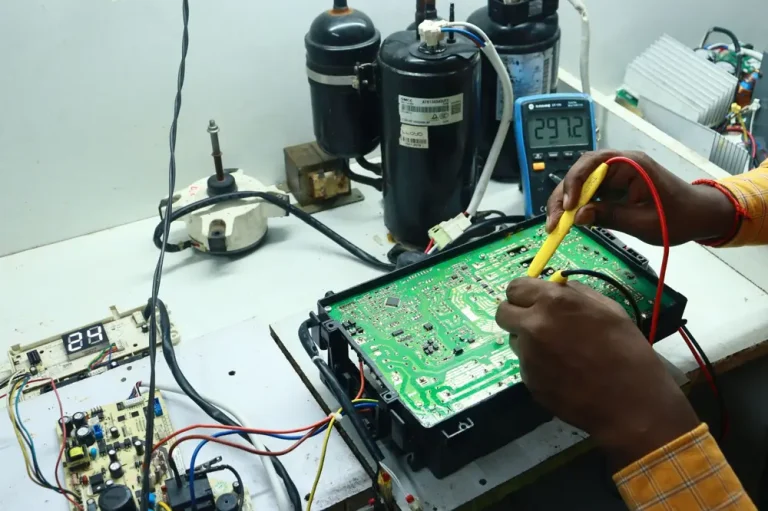
Physically the meters exist; safely the capacitor stores a serious charge — the discharge procedure is technician territory. The homeowner’s honest role: the symptoms (humming, clicking, no-start) that make the call, and the annual tune-up that makes the call rare.
How long do capacitors last in Florida?
3–7 years honestly — the ten-month cycling season and thunderstorm voltage environment shorten electrical-component life versus milder climates. The annual testing calendar is Florida’s answer to its own severity.
Summary
Planning ac capacitor and contactor replacement cost in the United States starts with an honest range — $120–$600 for the scenarios most households actually install — then works backwards through the service-call calendar versus the parts themselves.
$120–350 for capacitors, $150–400 for contactors, $250–600 together — cheap parts in expensive frames. The honest strategy is the $150–300 pre-season tune-up that catches wear at scheduled rates, because Florida’s July prices the same parts at emergency rates. Collect at least three itemised quotes, confirm the permit path before signing, and hold a 10–15% contingency for site surprises. Those three habits protect more budget than any product choice.